

When it comes to precision manufacturing, even the smallest misstep can have significant financial implications. We have seen cases where inefficient processes lead to a substantial increase in production costs.
As a leading CNC machining supplier at XTJ Precision Mfg, we have extensive experience working with overseas OEM buyers across industries like automotive, aerospace, electronics, and medical devices. We’ve handled thousands of projects and consistently observed that simple errors in the initial phases can inflate costs dramatically. These mistakes not only add unnecessary expenses but can also lead to delays, quality issues, and rework. The good news is that they’re entirely preventable with the right knowledge and partnership.
Throughout this piece, we’ll draw on real-world examples from our operations, highlighting best practices that turn potential cost overruns into opportunities for savings. Let’s break it down step by step.

Introduction: Why CNC Machining Cost Problems Start Earlier Than You Think
The journey to a finished CNC machined part is fraught with potential cost pitfalls, many of which begin long before production starts. At the heart of these cost issues are often CNC machining mistakes made during the design and material selection phases. Understanding how these early decisions impact the final cost is crucial for effective machining cost reduction.
Many manufacturers overlook the significance of the design stage in determining the final cost of their CNC machined parts. Design decisions, such as specifying tight tolerances or selecting complex geometries, can significantly drive up costs. Similarly, material choices made without considering machinability can lead to longer production times and higher expenses.
By recognizing the potential pitfalls in the early stages of CNC machining projects, manufacturers can take proactive steps to minimize unnecessary expenses. This involves understanding the interplay between design, material selection, and production processes to achieve optimal machining cost reduction.
Effective cost management in CNC machining requires a holistic approach that considers all stages of production, from initial design to final part delivery. By addressing CNC machining mistakes early on, manufacturers can avoid costly rework, reduce production times, and improve overall project profitability.
Mistake #1: Over-Specifying Tolerances Without Functional Justification
One of the most prevalent and costly errors in CNC machining is over-specifying tolerances. Tolerances refer to the allowable deviation in dimensions during manufacturing, and while tight tolerances ensure precision, specifying them unnecessarily can skyrocket costs without delivering proportional benefits.
Why It Increases Cost
Buyers often over-specify tolerances due to a lack of understanding of the manufacturing process or as a perceived safety margin. This can stem from conservative design practices or a lack of communication with the CNC supplier about what tolerances are truly necessary for the part’s function.
Common reasons for over-specifying include:
- Slower Machining Speeds: To achieve ultra-precise cuts, CNC machines must operate at reduced speeds. This extends cycle times, meaning each part takes longer to produce. For instance, a standard tolerance of ±0.05 mm might allow for high-speed roughing and finishing passes, but tightening it to ±0.01 mm could require multiple slower passes, potentially doubling the machining time.
- Increased Tool Wear: Precision work puts extra stress on cutting tools. Tools like end mills or drills wear out faster under tight tolerance conditions, leading to more frequent replacements. This not only adds material costs but also downtime for tool changes, further inflating labor and overhead.
- Additional Inspection Steps: Parts with tight tolerances require rigorous quality checks, often involving advanced metrology equipment like coordinate measuring machines (CMMs) or laser scanners. These inspections add time and cost, and if a part fails, it may need rework or scrapping, compounding the expense.
- Secondary Operations: In some cases, primary CNC machining can’t achieve the specified tolerance, necessitating secondary processes like grinding, honing, or EDM (electrical discharge machining). These add-ons can increase costs by 50% or more for complex geometries.
A real-world example: We’ve seen projects where a buyer specified ±0.005 mm on non-critical features of an aluminum bracket. While the functional areas (like mounting holes) truly needed that precision, applying it universally doubled the production time and increased scrap rates due to minor deviations. The result? A 25-35% cost hike that could have been avoided.
How Professional Suppliers Handle It
At XTJ Precision Mfg, we prioritize Design for Manufacturability (DFM) analysis right from the quote stage. Our engineers review every drawing and 3D model to identify over-specified tolerances. We don’t just accept specs at face value; we collaborate with clients to understand the part’s end-use and recommend relaxations where possible.
For example, if a tolerance is driven by assembly fit but not by structural integrity, we might suggest widening it to ±0.1 mm, which maintains functionality while slashing machining time. We use simulation software to validate these changes, ensuring no impact on performance. This proactive approach has helped clients reduce costs by up to 30% on high-volume runs.
Professional CNC suppliers work closely with buyers to understand the functional requirements of the part and optimize tolerance specifications accordingly. They provide guidance on the most cost-effective tolerances that still meet the part’s functional needs.
| Tolerance Level | Machining Time | Cost Impact |
|---|---|---|
| ±0.001 inches | Higher | Significantly higher |
| ±0.005 inches | Standard | Baseline |
| ±0.01 inches | Lower | Lower |
By understanding the relationship between tolerance specifications and machining costs, buyers can make informed decisions that balance precision with cost efficiency.
Key tips for buyers:
- Define tolerances based on function: Critical mating surfaces deserve tight specs; aesthetic or non-functional areas do not.
- Use geometric dimensioning and tolerancing (GD&T) to specify only what’s necessary.
- Consult suppliers early: A quick DFM review can reveal savings.
To learn more about how tolerances affect your project’s bottom line, explore our detailed guide in the CNC machining services overview. If you’re unsure about your tolerances, our team offers free consultations to optimize them.
Mistake #2: Choosing Materials Based on Strength Instead of Machinability
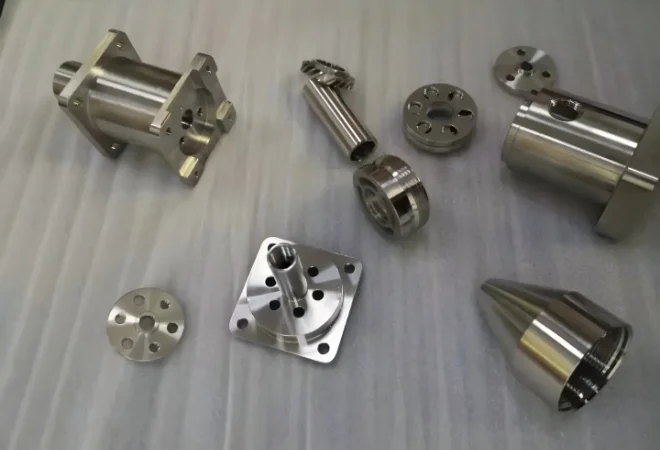
Material selection is a foundational decision in CNC machining, yet it’s often made without fully considering its ripple effects on cost and production. Defaulting to premium materials “just in case” can lead to unnecessary expenses, as not every application requires the toughest or most exotic alloys.
Common Material Selection Mistakes
One of the most frequent material selection mistakes is choosing a material based solely on its strength or durability without considering its machinability. Machinability refers to how easily a material can be machined to the required specifications. Materials that are difficult to machine, such as certain hard metals or composites, can significantly increase production time and costs.
Other common mistakes include:
- Selecting materials that are not readily available, leading to longer lead times.
- Choosing materials with properties that exceed the requirements of the application, resulting in unnecessary expense.
- Failing to consider the compatibility of the material with the intended manufacturing process.
Consider this example: A client once specified 316 stainless steel for a bracket exposed to mild humidity, assuming it was “safer” than aluminum. While stainless offers better corrosion resistance, the part’s environment didn’t demand it. Switching to aluminum 6061 reduced machining costs by 40-50%, as it machines faster and with less tool wear. In contrast, opting for titanium in non-aerospace applications can multiply costs by 3-5 times due to its density and machining difficulty.
Other factors like material density affect shipping costs, and thermal properties can influence post-machining treatments, further adding to the bill.
How Professional Suppliers Guide Material Selection
Professional suppliers like CNC Parts XTJ take a holistic view of material selection. During our initial project review, we evaluate:
- Mechanical Requirements: Strength, hardness, and fatigue resistance based on load and stress analysis.
- Environmental Factors: Corrosion, temperature extremes, and chemical exposure.
- Cost-Effective Alternatives: We propose substitutes like switching from Inconel to Hastelloy for high-temp applications or from brass to engineered plastics for low-load parts.
We often use material databases and simulation tools to compare options, presenting clients with data-driven recommendations. For instance, in a recent electronics enclosure project, we suggested POM (acetal) over ABS, cutting costs by 25% while improving dimensional stability.
Buyers can avoid this mistake by:
- Starting with application requirements, not assumptions.
- Considering lifecycle costs, including maintenance and disposal.
- Partnering with suppliers who offer material expertise.
Mistake #3: Designing Features That Are Difficult or Inefficient to Machine
One of the most significant factors affecting CNC machining costs is the design of features that are difficult or inefficient to machine.Even with the right tolerances and materials, certain design features can turn a straightforward CNC job into a costly nightmare. These “machinability traps” are often overlooked by designers who aren’t intimately familiar with CNC processes.
High-Cost Design Features
Common culprits include:
- Deep Narrow Pockets: These require long, slender tools that vibrate easily, necessitating slower speeds and multiple passes. A pocket deeper than 5x its width can increase machining time by 50%.
- Sharp Internal Corners: CNC mills use round tools, so sharp corners demand EDM or additional milling, adding setups and costs.
- Non-Standard Hole Diameters: Custom sizes mean special drills or reamers, increasing tooling expenses and setup time.
- Extremely Thin Walls: Walls under 1 mm are prone to distortion from cutting forces, leading to higher scrap and slower feeds.
These features often require specialized tooling, multi-axis setups (e.g., 5-axis CNC), or even hybrid processes, pushing costs up by 30-40%. For example, a part with undercut features might need a 4th or 5th axis, doubling machine time compared to a 3-axis design.
Why This Happens
Designs with high-cost features often result from a lack of communication between designers and manufacturers or a lack of understanding of CNC machining capabilities. Sometimes, designers may prioritize functionality or aesthetics over manufacturability.
How CNC Suppliers Reduce Cost Through DFM
Experienced CNC suppliers use Design for Manufacturability (DFM) principles to help reduce costs. By analyzing the design and suggesting modifications, they can significantly lower production costs without compromising the part’s functionality.
| Design Feature | Original Cost Impact | DFM Optimized Cost Impact |
|---|---|---|
| Deep Cavities | High | Moderate |
| Thin Walls | High | Low |
| Complex Geometries | Very High | High |
At XTJ Precision Mfg, DFM is our cornerstone. We conduct thorough reviews using CAD software to simulate machining paths and identify issues early. Suggestions might include radiusing corners, standardizing holes, or reorienting features for easier access.
We provide annotated feedback, such as “Add 0.5 mm fillet to internal corners to eliminate EDM need,” which can save 20-30% on complex parts. Our goal is to preserve design intent while enhancing manufacturability.
Related guidance: Dive into our CNC milling services and CNC turning services pages for process-specific tips.
Mistake #4: Ignoring the Cost Impact of Surface Finish Requirements
Ignoring the cost implications of surface finish requirements is a common mistake that can inflate your CNC machining costs unnecessarily. Surface finish is a critical aspect of precision manufacturing that not only affects the aesthetic appeal of a part but also its functionality and production cost.
How surface finish affects cost
The surface finish of a machined part can significantly influence the machining time and the tools required. A smoother surface finish typically requires more time and specialized tools, increasing the cost. For instance, a Ra 0.8 μm finish might require additional operations like grinding or polishing, which add to the overall expense.
Different surface finishes have varying costs associated with them. Here’s a breakdown of how surface finish can impact machining costs:
| Surface Finish (Ra) | Machining Time | Relative Cost |
|---|---|---|
| 3.2 μm | Standard | 1x |
| 0.8 μm | Additional operations | 1.5x |
| 0.2 μm | Specialized tools & processes | 2.5x |
Common buyer assumptions
Many buyers assume that a smoother surface finish is always better, regardless of the application’s requirements. However, specifying a finer finish than necessary can unnecessarily increase costs. It’s essential to understand the functional requirements of the part and balance the surface finish accordingly.
Smarter surface finish strategy
To optimize surface finish requirements and reduce costs, consider the following strategies:
- Specify the surface finish based on the functional needs of the part.
- Use standard surface finishes whenever possible to avoid additional operations.
- Collaborate with your CNC supplier to determine the most cost-effective surface finish that meets your requirements.
By adopting a smarter surface finish strategy, you can significantly reduce your CNC machining costs without compromising on quality.
Mistake #5: Unrealistic Lead Time Expectations
When it comes to CNC machining, one of the most costly mistakes is having unrealistic lead time expectations. Tight deadlines might seem like a good way to speed up production, but they often lead to increased costs without providing the expected benefits. In this section, we’ll explore why short lead times typically cost more and how experienced buyers can manage lead times effectively to reduce machining costs.
Why Short Lead Times Cost More
Rushing a CNC machining project can lead to several cost-increasing issues. First, it often requires overtime labor, which is more expensive than regular labor. Additionally, expedited shipping to meet tight deadlines adds to the overall cost. Furthermore, rushed projects have a higher likelihood of errors, which can lead to rework and scrap parts, further increasing costs.
To illustrate the impact of lead time on cost, consider the following table that compares the costs associated with different lead times for a typical CNC machining project:
| Lead Time | Labor Cost | Shipping Cost | Total Cost |
|---|---|---|---|
| Standard (4 weeks) | $1,000 | $200 | $1,200 |
| Expedited (2 weeks) | $1,200 | $400 | $1,600 |
| Rushed (1 week) | $1,500 | $600 | $2,100 |
How Experienced Buyers Manage Lead Time
Experienced buyers understand the importance of realistic lead time expectations. They work closely with their CNC machining suppliers to plan production schedules that meet their needs without incurring unnecessary costs. This collaborative approach allows for better resource allocation and can lead to cost savings through more efficient production planning.
Some strategies experienced buyers use include:
- Providing forecasts of their production needs well in advance.
- Being flexible with their delivery dates when possible.
- Working with suppliers who offer cost-effective alternatives for expedited production.

By understanding the impact of lead time on CNC machining costs and adopting strategies to manage lead times effectively, buyers can significantly reduce their overall costs. It’s about striking the right balance between meeting production deadlines and avoiding unnecessary expenses.
How Professional CNC Suppliers Prevent Cost Overruns
When it comes to CNC machining, partnering with a professional supplier can significantly reduce unnecessary expenses. Professional CNC suppliers bring their expertise and advanced manufacturing techniques to the table, ensuring that production processes are optimized for cost efficiency.
Plan ahead and choose suppliers with efficient capacity. At XTJ, we optimize schedules to offer competitive leads without premiums. Start with a CNC quote request.
Expertise in Material Selection is one of the key areas where professional CNC suppliers can help prevent cost overruns. They guide clients in selecting materials that are not only suitable for the intended application but also optimized for machinability, thereby reducing waste and saving time.
- They analyze the project requirements and recommend the most cost-effective materials.
- They have access to a wide range of materials and can source them at competitive prices.
- Their experience helps in avoiding costly material mistakes.
By leveraging their expertise and capabilities, professional CNC suppliers can help clients avoid common cost pitfalls and achieve their production goals within budget.
Why Cost Transparency Matters More Than Low Quotes
CNC machining projects require more than just competitive quotes; they demand cost transparency. While a low quote might seem attractive, it can often lead to unexpected expenses down the line. Cost transparency, on the other hand, ensures that you understand every aspect of your project’s costs.
When CNC suppliers provide transparent cost breakdowns, you can make informed decisions about your project. This includes understanding the costs associated with materials, labor, and machining processes. For instance, a detailed cost breakdown might reveal opportunities to save on material costs by adjusting your design or selecting alternative materials.

- Better Budgeting: With a clear understanding of costs, you can budget more effectively for your project.
- Informed Decision-Making: Cost transparency allows you to make informed decisions about your project’s design, materials, and processes.
- Reduced Risk: By understanding the true costs of your project, you can reduce the risk of unexpected expenses.
- Improved Supplier Relationships: Cost transparency fosters trust between you and your CNC supplier, leading to stronger, more collaborative relationships.
In contrast, low quotes without transparency can lead to a range of issues, including hidden costs, delays, and subpar quality. By prioritizing cost transparency, you can avoid these pitfalls and ensure that your CNC machining project is completed on time, within budget, and to the required quality standards.
Final Thoughts: Most CNC Cost Increases Are Avoidable
Most CNC cost increases are avoidable with the right approach and knowledge. By understanding the common pitfalls in CNC machining, such as over-specifying tolerances, choosing materials based on strength rather than machinability, and designing features that are difficult to machine, you can significantly reduce unnecessary costs.
Optimizing your CNC machining process involves being mindful of surface finish requirements and managing lead time expectations. By applying the insights gained from this article, you can optimize your CNC machining projects and achieve substantial cost savings.
We have discussed how professional CNC suppliers can guide you in making cost-effective decisions, from material selection to design optimization. By partnering with experienced suppliers and applying the strategies outlined in this article, you can minimize avoidable costs and achieve more efficient CNC machining operations.
In conclusion, by being aware of the potential pitfalls and taking proactive steps to optimize your CNC machining projects, you can significantly reduce costs and improve overall efficiency. We encourage you to apply these insights to your next project and experience the benefits of CNC machining optimization.
Ready to Optimize Your CNC Project Before Production?
Now that we’ve explored common CNC machining mistakes that can increase part costs by 30%, it’s time to take action. Optimizing your CNC project before production begins can significantly reduce costs and improve efficiency. Our team of experts specializes in precision CNC machining and can help you identify potential issues early on.
FAQ
What are the most common CNC machining mistakes that increase part costs?
The most common mistakes include over-specifying tolerances, choosing materials based on strength instead of machinability, designing features that are difficult to machine, ignoring the cost impact of surface finish requirements, and having unrealistic lead time expectations.
How can I avoid over-specifying tolerances in CNC machining?
To avoid over-specifying tolerances, work with a professional CNC supplier who can guide you on the necessary tolerances for your parts, ensuring that you don’t overpay for unnecessary precision.
Why is material selection critical in CNC machining, and how can I make the right choice?
Material selection is critical because it affects both the functionality and the cost of your parts. Choose materials based on machinability, not just strength, and consult with a professional CNC supplier for guidance on the best materials for your project.
How do surface finish requirements impact CNC machining costs?
Surface finish requirements can significantly impact costs, as finer finishes often require more time and processing. Optimize your surface finish requirements based on the functional needs of your parts to avoid unnecessary costs.
What is the impact of lead time expectations on CNC machining costs?
Unrealistic lead time expectations can increase costs, as shorter lead times often require more resources and expedited processes. Manage your lead time expectations realistically to help reduce machining costs.
How can professional CNC suppliers help prevent cost overruns?
Professional CNC suppliers can help prevent cost overruns by providing expert guidance on design, material selection, and machining processes, ensuring that your project is executed efficiently and cost-effectively.
Why is cost transparency more important than getting the lowest quote for CNC machining?
Cost transparency is more important than a low quote because it ensures that you understand all the costs involved and can make informed decisions about your project, avoiding hidden costs and surprises.
What is Design for Manufacturability (DFM), and how can it reduce CNC machining costs?
Design for Manufacturability (DFM) involves designing parts with manufacturing efficiency in mind. By applying DFM principles, you can simplify your designs, reduce the complexity of machining, and lower your costs.
How can I optimize my CNC project before production to avoid cost increases?
To optimize your CNC project, consult with a professional CNC supplier early in the process. They can provide guidance on design, material selection, and machining processes to ensure that your project is cost-efficient and well-executed.